Free vs Paid Keyword Tools: Which Do You Need?
Most sites do not need a paid keyword tool, because Google hands you autocomplete, People Also Ask, Keyword Planner, Trends, and Search Console for free, and together they cover what a small store needs. Paid tools earn their fee later, when you publish constantly and fight bigger competitors.
Here is where the line sits.
Key Points
- Free Google tools cover discovery, demand, and tracking for a new store.
- Paid tools buy you competitor data, difficulty scores, and speed, not secret keywords.
- Almost 93% of keywords get fewer than 10 searches a month, and free tools find those fine.
- Pay when the hours a tool saves are worth more than the subscription.
What Can Free Keyword Tools Actually Do?
Free keyword tools can do the whole research job, even though most people assume free means toy. The free stack covers discovery, demand, and tracking, which is the whole research job. Autocomplete and People Also Ask show you what customers type. Google’s Keyword Planner shows search estimates for those phrases. Trends shows the season.
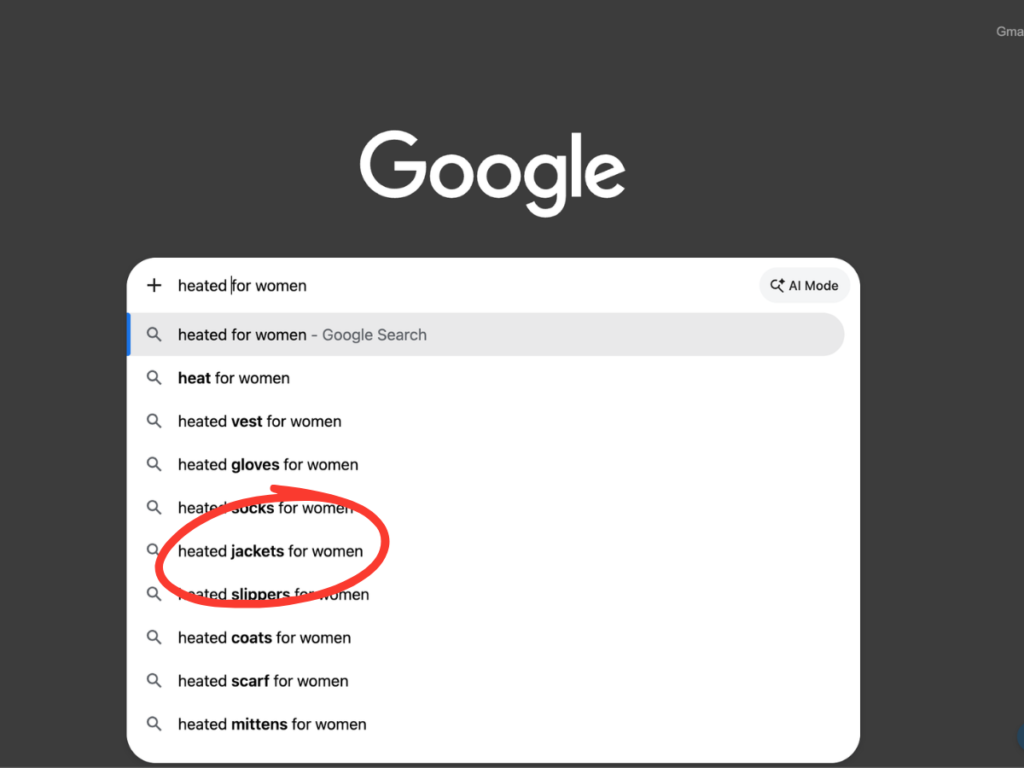
Autocomplete deserves more respect than it gets. Those suggestions are pulled from what real people type, in their exact words, which makes it the most honest customer research on the internet. A paid tool will estimate a keyword’s volume; autocomplete proves someone is out there typing it.
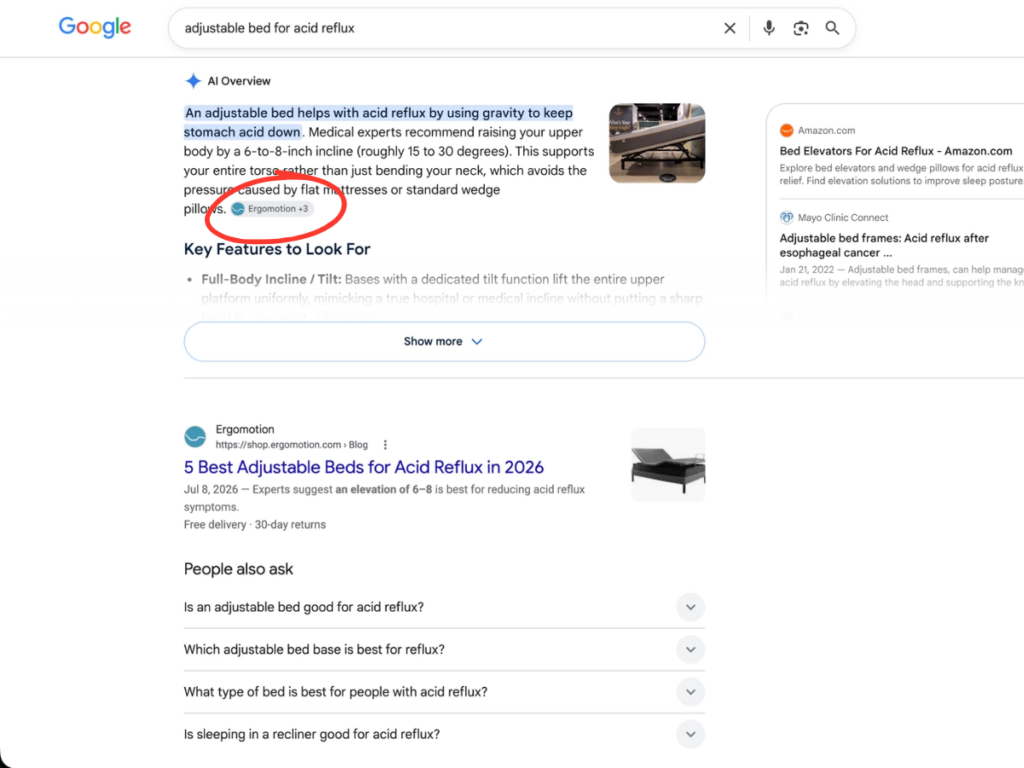
People Also Ask does the same job for questions. Open your main keyword, expand a few boxes, and Google will keep feeding you the exact questions your blog should answer, in the order searchers care about them.
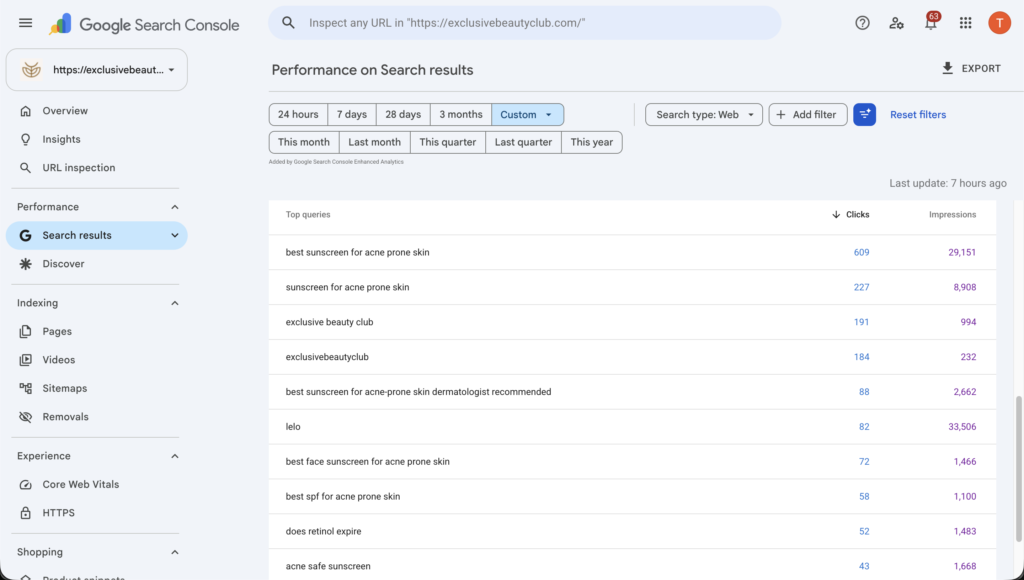
Then Search Console closes the loop with the queries your site already shows up for, and the quick wins hiding in that report are better than anything a subscription will find in month one. It is real data about your store, not estimates about the market.
The scale argument holds up too. Ahrefs’ own research says keywords with fewer than 10 monthly searches make up almost 93% of all keywords in its US database. Nearly the entire keyword universe is long-tail phrases that autocomplete surfaces for free.
What Do Paid Tools Add?
Paid tools add two things worth paying for: competitor data and speed. A paid tool shows you every keyword a competitor ranks for, which free tools simply cannot do, and it turns an afternoon of manual digging into a ten-minute export.
| Job | Free Stack | Paid Tool |
|---|---|---|
| Finding keyword ideas | Yes | Yes, faster |
| Search volume estimates | Ranges | Specific numbers |
| Competitor keywords | No | Yes |
| Difficulty scores | No | Yes, as estimates |
| Your own query data | Yes, via GSC | Same GSC data |
Keep the numbers in perspective, though. Every tool’s volumes are modeled estimates, and the honest answer to whether keyword tools are accurate is “directionally, yes, precisely, no.” Paying does not buy you truth, it buys you consistency.
And know what paid tools do not sell: secret keywords. Every phrase in their databases came from the same searches Google will show you pieces of for free. You are paying for organization and speed, which is a fair trade at the right workload and a bad one before it.
When Does Paying Start to Make Sense?
Paying for a keyword tool starts to make sense when content becomes constant, because the hours it saves cost more than the subscription. A store publishing four posts a month and optimizing pages every week burns hours on research, and a $100 tool that saves ten hours a month is cheap labor, not a luxury.
The other trigger is competition. When you target low-competition keywords, you can eyeball page one and judge your odds by hand. When you move into contested territory, competitor gap data starts paying for itself, because it shows you exactly which keywords they win that you have never touched.
Whichever trigger fires, do the math in dollars, not features. The popular suites run $100 to $140 a month, which is $1,200 to $1,700 a year. For a store doing a few posts a month, that same money buys a professional content brief every month or a technical audit every quarter, and either one moves rankings more than a dashboard does.
If neither trigger has fired, keep the money. I have built ranking plans for stores on nothing but Google’s free tools, and the plans worked. The tool was never the bottleneck. The publishing was.
Which Free Stack Should You Start With?
The free stack to start with is Google autocomplete, Keyword Planner, Google Trends, and Search Console, in that order, because each one answers a question the one before it cannot. It runs like this:
- Type your product into Google and harvest autocomplete and People Also Ask.
- Run the list through Keyword Planner for demand estimates.
- Check Trends for seasonality before you schedule anything.
- Check Search Console for queries you already almost rank for.
Of those four, Trends matters more for stores than people realize. Search demand for most products swings hard by season, and publishing a gift guide in December means you missed the October searches that decide December sales. Check the curve once and schedule content one to three months ahead of the peak.
And do not let a low estimate scare you off a keyword your exact customer types. The case for zero-volume keywords is that the tools undercount specific phrases, and specific phrases are where a store converts best.
Still, the step most people skip is checking demand at all, and it is the expensive one. Ahrefs found 96.55% of pages get zero traffic from Google, and topics nobody searches for are a leading cause. Ten minutes in Keyword Planner prevents a month of writing into a void.
Want Your Keyword List Built Without the Subscription?
Free tools cover a small store’s research completely, and paid tools buy speed and competitor visibility once publishing is constant. Start free, prove the process, and let the workload tell you when to upgrade. The subscription should follow the results, not promise them.
If you want the shortcut, book a call. I will pull your Search Console live, build your first keyword list from the free stack, and show you exactly what a paid tool would and would not add for your store. And if you want a partner on it every month, see my SEO services.