
What Are Topic Clusters?
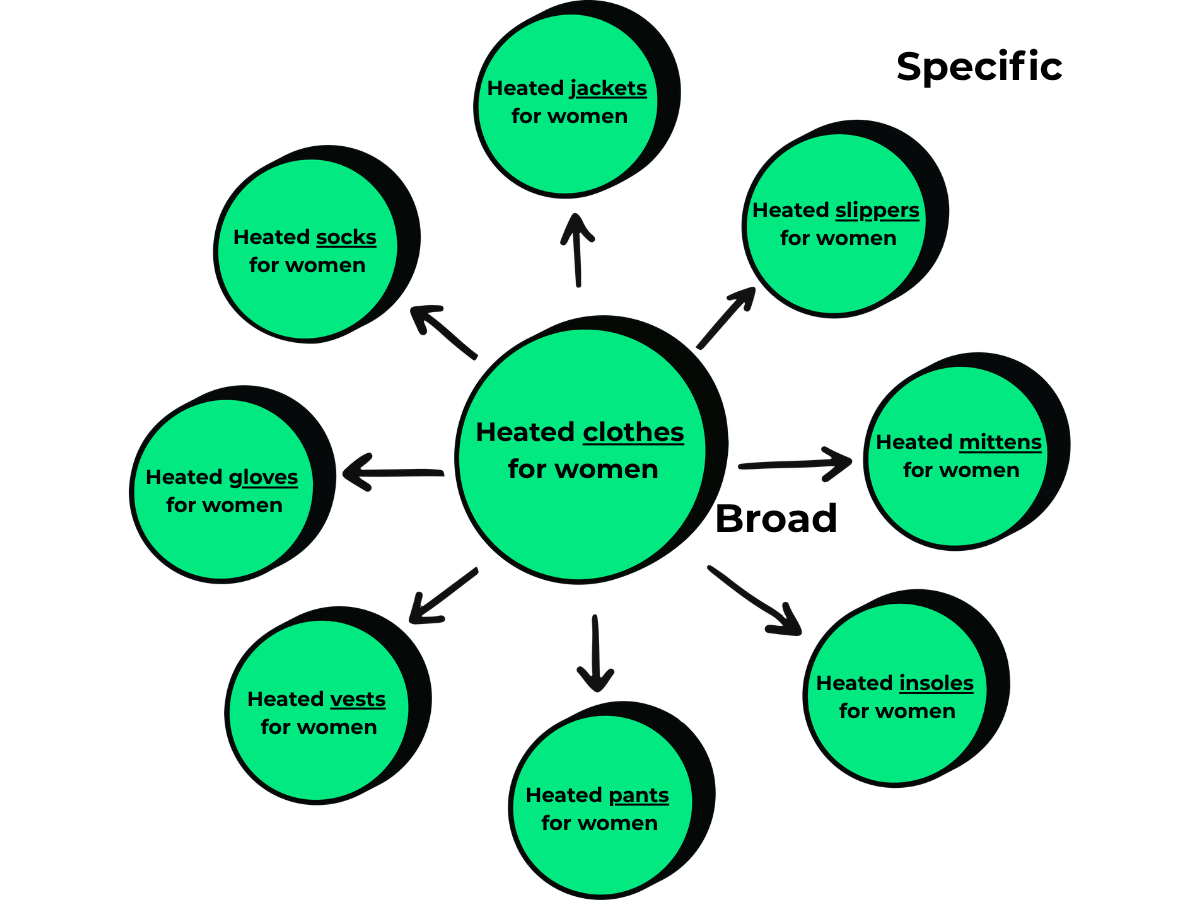
A topic cluster is a group of pages that cover one subject from every angle, linked together so Google reads them as one body of work. One pillar page covers the broad topic. A set of shorter posts answers the specific questions around it. The internal links between them are what turn a pile of posts into a cluster.
How Does a Topic Cluster Actually Work?
A cluster has three parts: one pillar, many focused posts, and the links between them. The pillar is a broad page on the main subject, like a complete guide to running shoes. Each cluster post answers one narrow question, like whether running shoes help knee pain.
Every cluster post links up to the pillar, and the pillar links down to the posts. That structure tells Google the pages belong together, and it lets a strong page pass strength to a new one. It is the same reason a store groups products into collections instead of dumping them on one page.
Here is what that looks like for a skincare store. The pillar is a guide to sunscreen. The cluster posts answer whether sunscreen causes acne, mineral versus chemical, what SPF number actually means, and whether you need it indoors. Ten posts like that, all linked, and Google starts treating your site as the place that answers sunscreen questions.
Covering a subject this way is how a site builds topical authority, which is the reputation for owning a subject. Google does not hand that reputation to a site with one good post. It goes to the site that answered the whole question set.
Why Do One-Off Blog Posts Fail?
One-off blog posts fail because most stores publish whatever sounds good that week, with nothing linking the posts together. Ahrefs studied about 14 billion pages and found that 96.55% of them get zero traffic from Google. Only 1.94% scrape together one to ten visits a month.
The study points at three causes: the topic has no search demand, the page has no links, or the content misses what the searcher wanted. A lone post usually fails on the second one because nothing on the site supports it. No pillar passes it strength, and no related posts prove you know the subject.
The third cause is its own fix. Match each post to one clear question and one search intent, and the cluster starts doing the ranking work for you. A post that answers the exact question beats a longer post that circles it.
Notice what is not on that list of causes. Not word count, not posting daily, not a fancy tool. Pages fail because nobody searched for the topic, nothing links to the page, or the page answered the wrong question. A cluster attacks two of the three by design.
How Do You Build Your First Cluster?
Pick the subject closest to your money pages, not the one you find most interesting. If sunscreen pays your bills, the cluster is sunscreen. Then build it in this order:
- List every question customers ask about the subject. Google’s autocomplete and People Also Ask boxes hand you most of the list.
- Assign one keyword to one page. Two pages chasing the same phrase split the vote.
- Write the pillar first, then publish cluster posts against the list.
- Link every post to the pillar with anchors that name the topic.
Google’s own SEO starter guide backs the structure part. It recommends grouping similar topics together and says link text “tells users and Google something about the page you’re linking to.” Skipping step two is the most common mistake I see, and it causes keyword cannibalization that quietly caps the whole cluster.
How Long Until a Cluster Pays Off?
A cluster pays off in three to six months, not weeks, because the wins compound from the long tail up to the pillar. A cluster is compounding work. The first posts rank for small long-tail phrases, those wins feed the pillar, and the pillar starts competing for the head term.
The order of wins usually looks like this. Around month one or two, cluster posts start showing up for specific questions with low competition. By month three or four, the pillar starts climbing because a dozen ranking pages now point at it. The head term falls last, and it falls to the site that already owns the questions around it.
So if someone tells you their cluster tripled traffic in three weeks, be skeptical. I have watched clusters take three to six months to move, and the ones that move are the ones that answer real questions. Google’s helpful content guidance is blunt about this: it rewards content made for people, not content made to manipulate rankings, and it tells you to ask whether someone leaves “feeling like they’ve had a satisfying experience.”
That means pace beats bursts. A steady publishing schedule that works through the question list will beat a thirty-post dump every time, because you can hold the pace and learn from what ranks.
Want a Cluster Plan Built for Your Store?
Topic clusters are not a trick. They are the boring, fundamental answer to why big sites outrank you: they covered the subject and you posted about it once. One pillar, a list of real customer questions, one keyword per page, and links that name their destination will beat scattered publishing on almost any store I have seen.
If you want the shortcut, book a call and I will map your first cluster with you. I will pull your Search Console, show you which subject is closest to ranking, and hand you the question list to write against. Want it done for you instead? Take a look at my SEO services.
